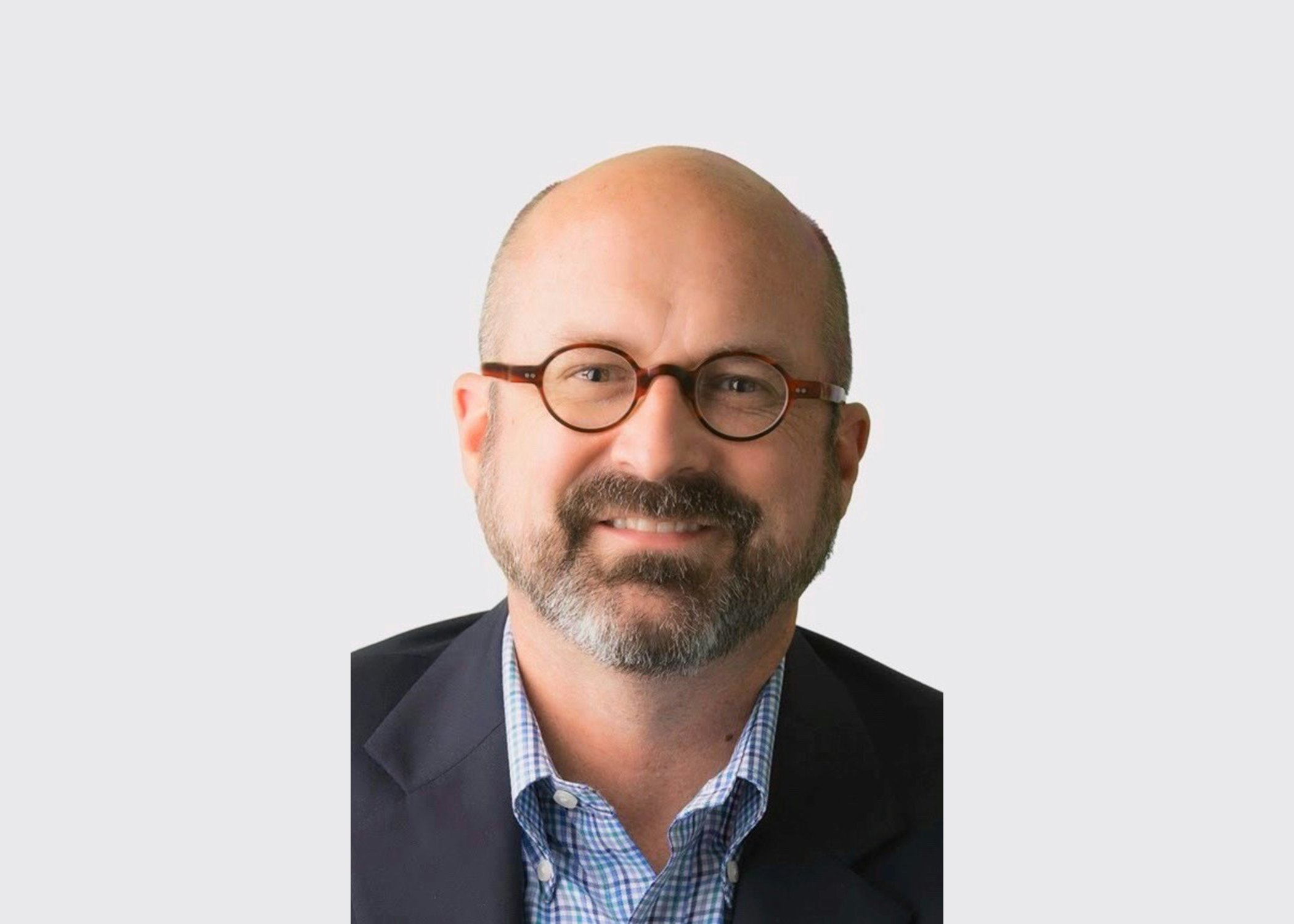
In advance of Veterans Day, we connected with Jeff Krilla, Vice President for Global Public Policy and Government Affairs at Kosmos Energy, Navy Reserve intelligence officer, former Deputy Assistant Secretary of State, and member of the Bush Institute’s current Veteran Leadership Program cohort. Over a career that has spanned military service, government, international business, and philanthropy, Krilla has gained a distinctive perspective on leadership, public service, and the responsibility we share to invest in others. That perspective also shapes his view of Veterans Day, which he believes should not only honor those who have served, but also “challenge us to be worthy of their sacrifice by actively caring for their families and keeping their stories alive.”
Q: You are part of the current Bush Institute’s Stand-To Veteran Leadership Program cohort. What has surprised you most about the experience, and what lessons or insights do you hope to bring back to your work, your community, and your continued service?
What has surprised and inspired me most is the extraordinary caliber and diverse backgrounds of my fellow cohort members, as well as the exceptional caliber of speakers brought in by the Bush Institute who constantly challenge our perspectives. Throughout the program, the deep, foundational emphasis on servant leadership has resonated profoundly. While we come from different branches, eras, and professional sectors, we share an absolute, unyielding commitment to solving society’s toughest challenges. This experience reinforces that leadership is not about a title; it is about stewardship and execution. I am taking back concrete frameworks in cross-sector collaboration and strategic communications that ensure we build scalable, community-driven solutions rather than temporary fixes.
Q: Can you tell us about your Personal Leadership Project, Legacy Coin?
The Legacy Coin Project is a digital memorial initiative designed to ensure our nation’s heroes never die a second death — the death of being forgotten. We take a precision-milled bronze medallion embedded with a secure, weather-resistant QR code and link it directly to a veteran’s gravesite. When a family member or visitor scans the coin, the silent marble comes alive with a 90-second living micro-tribute featuring the veteran’s actual voice, archival photos, and family stories. It also includes an interactive “Honor Roll,” so visitors can leave virtual tokens of gratitude. Best of all, it is 100 percent free for Gold Star and veteran families. We are launching with a four-family pilot with a roadmap to scale across national cemeteries and GWOT Gold Star families.
Q: Your career has taken you from Capitol Hill and the State Department to international business — highlighted by your recent recognition as a Chevalier (Knight) in the National Order of Merit by the President of Mauritania — as well as military service and philanthropy. Looking back, what has been the common thread that has guided your professional journey?
The common thread has always been public service and institutional bridge-building. Whether drafting legislation on Capitol Hill, negotiating international human rights standards at the State Department, advancing energy partnerships in Africa that earned me the honor in Mauritania, or directing disaster recovery in Maui through our family foundation, the core mission has remained the same: bringing people together to solve complex problems, protect human dignity, and create sustainable opportunities for others.
Q: You’ve served in some of the world’s most complex environments, whether advancing human rights and democracy, building partnerships across Africa, or helping organizations navigate crises. What is one leadership lesson from your time in the Administration that continues to shape how you lead today?
The most enduring lesson is that sustainable solutions require inclusive coalitions built on trust. During my time leading diplomatic initiatives and chairing international frameworks like the Voluntary Principles for Security and Human Rights, I learned that top-down edicts rarely survive contact with reality. Lasting progress happens when you sit down with diverse stakeholders — governments, private industry, NGOs, and local communities — find common ground, and align everyone around a shared, actionable objective.
Q: As a decorated veteran who has represented the United States abroad, and continues to lead in the private sector, what does Veterans Day mean to you today, and what message would you share with the next generation of Americans considering a life of service?
Veterans Day is a solemn reminder of the profound debt we owe to those who wrote a blank check to this country, up to and including their lives. Today, it also challenges us to be worthy of their sacrifice by actively caring for their families and keeping their stories alive. To the next generation considering a life of service — whether in uniform, civil service, or community leadership: do not hesitate. There is no greater fulfillment, no deeper sense of purpose, than dedicating your talents to something larger than yourself and defending the freedoms that generations before us fought so hard to secure.