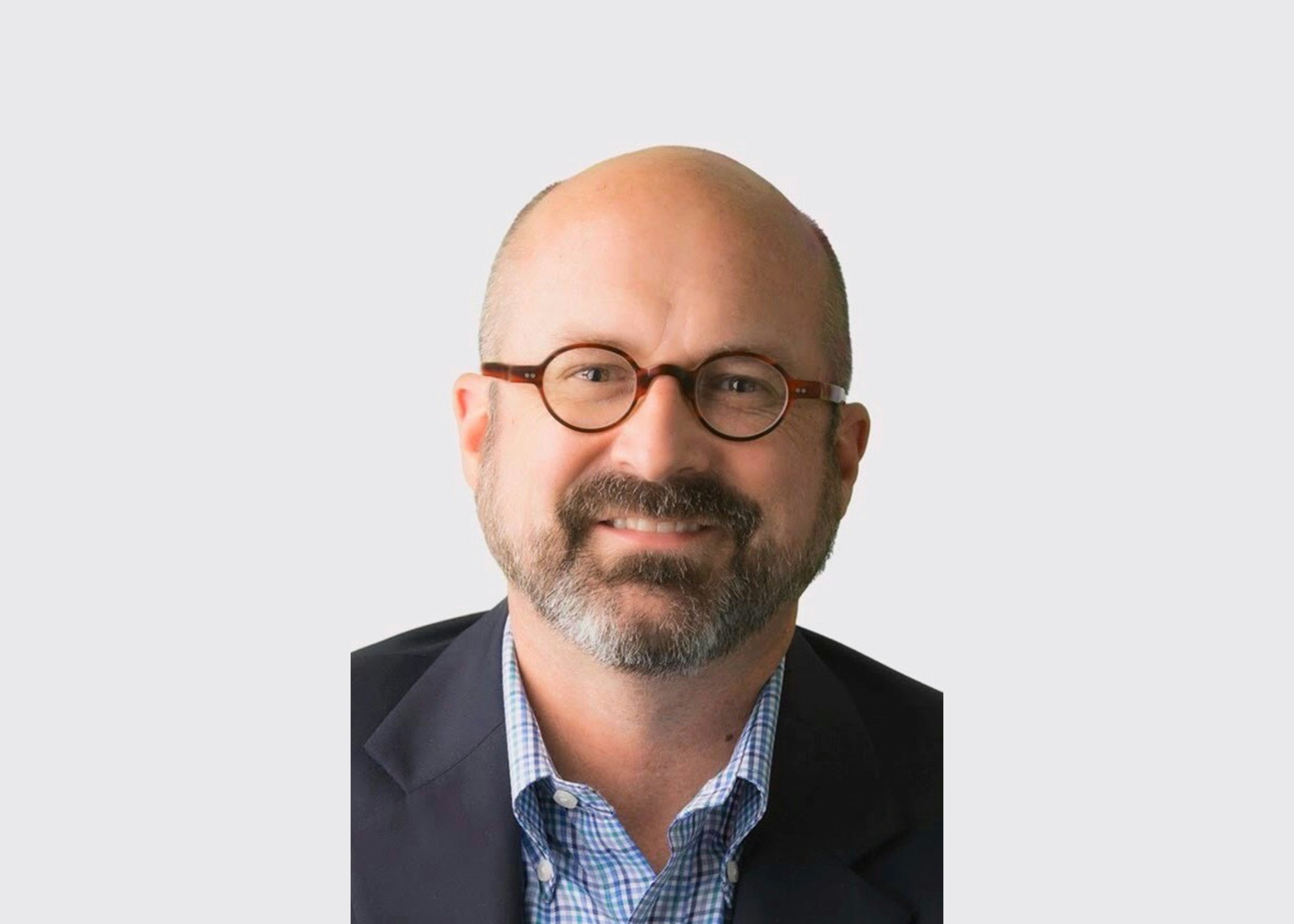
We’re grateful to David Trulio for joining us in this month’s “Five Questions With…” and for offering such a thoughtful look at his work and leadership journey. Now leading the Milken Center for Advancing the American Dream, he reflected on the Center’s first year and its growing effort to promote freedom, opportunity, and hope. He also shared why the American Dream remains a powerful unifying force, even as many Americans worry it feels harder to reach. Trulio’s own career — spanning the White House Homeland Security Council, Pentagon, major roles at Raytheon and Lockheed Martin, senior leadership at the Export‑Import Bank, Fox News Digital, and the Reagan Foundation — has been guided by gratitude for the country and a commitment to impact. He underscored the urgent need to strengthen education as the foundation of mobility and national competitiveness. And he closed with a leadership lesson from President Bush that continues to shape his approach today: “The measure of compassion is more than good intentions; it is good results.”
Q: Your appointment as President of the Milken Center for Advancing the American Dream comes at an exciting moment for the organization. How do you see the Center’s mission evolving in this next chapter, and what most energizes you about the work ahead?
While it was many years in the making, the Center just opened in September of last year in a beautifully restored historic building complex on Pennsylvania Avenue across from the U.S. Treasury. As we approach our one-year anniversary, we have an opportunity not only to continue to inspire large numbers of people in person through our remarkable halls and galleries, but also to build out programming and an engaging digital presence that will carry forward the values of the American Dream at home and abroad by promoting freedom, opportunity, and hope.
Q: How would you describe the current state of the American Dream? What gives you confidence that it can endure and adapt and that young people will still see it as achievable?
Despite the headlines, we are seeing through polling data that the American Dream endures as a remarkably powerful inspiration across the United States. One example is from the Archbridge Institute’s June 2026 American Dream survey which illustrates that the Dream is alive and well, with 67% of Americans indicating they have achieved or are pursuing the American Dream, and 64% believing the American Dream can unite Americans.
At the same time, 33% of Americans believe the American Dream is out of reach for their families. Given this era’s unprecedented technological and medical advancement, that a third of our fellow citizens would feel this way is obviously very concerning.
The American Dream is for everyone, regardless of background or circumstances. Through our work at the Center, we seek to illuminate pathways to opportunity, especially by highlighting how people from myriad walks of life – many of whom faced huge challenges – overcame them and successfully pursued a life of meaning and purpose.
Q: Your career has taken you across sectors — from the Bush Administration to Raytheon and Lockheed Martin, to the Pentagon and Export-Import Bank in the Trump Administration, to Fox News Digital, to the Reagan Foundation, and now the Milken Institute. What has guided your navigation between public service and the private sector, and what advice would you offer to leaders considering similar transitions?
Profound gratitude for America and a desire to impact it positively are common threads guiding me as opportunities arose across sectors. My journey was enabled by skills and experience built over time – including in business development, strategy, and operations – which I have applied throughout my career. Of central importance along the way – and my advice – is to seek out opportunities to work directly with conscientious and driven people who strive to make a positive impact, regardless of sector. More broadly, to be an American is a tremendous gift, and I encourage all of us to be bold in giving back to this great country and its people.
Q: With so much of your work centered on expanding opportunity and strengthening institutions, what’s one emerging trend or challenge you believe leaders should be paying closer attention to in the decade ahead?
Regardless of whether one is focused on business, science, technology, health, the arts, national security, etc., education is at the foundation of personal fulfillment and societal strength. While there are abundant instances of exceptional educational attainment and world-leading institutions in the United States, America lags behind other countries in worldwide educational rankings.
For example, in an Organisation for Economic Co-operation and Development (OECD) survey, when it came to performance in mathematics, reading, and science, the United States scored below the OECD average, and ranked 31st overall. This not only detracts from economic mobility for Americans, but also hurts the United States’ ability to be competitive in key fields and industries essential to our future.
More broadly, across decades, and despite significant societal spending on K-12 education, our system shortchanges many of our young people, particularly those who are disadvantaged. To live up to the aspirations of the American Dream on an individual and societal basis, and to ensure America thrives in a fiercely competitive world, we must do better.
Q: You served President Bush in several roles — on the 2004 campaign, at the Pentagon, and at the White House on the staff of the Homeland Security Council. What’s a favorite leadership lesson, story, or moment from that period that still shapes how you lead today?
It’s not an accident that as the first president with an MBA, President Bush was famously focused on results. Whether in or out of government, it can be easy to overly focus on activity, process, or intentions – but what ultimately matters is impact. One sentence in particular from President Bush, from 2002, has been particularly forceful in shaping how I lead: “The measure of compassion is more than good intentions, it is good results.”