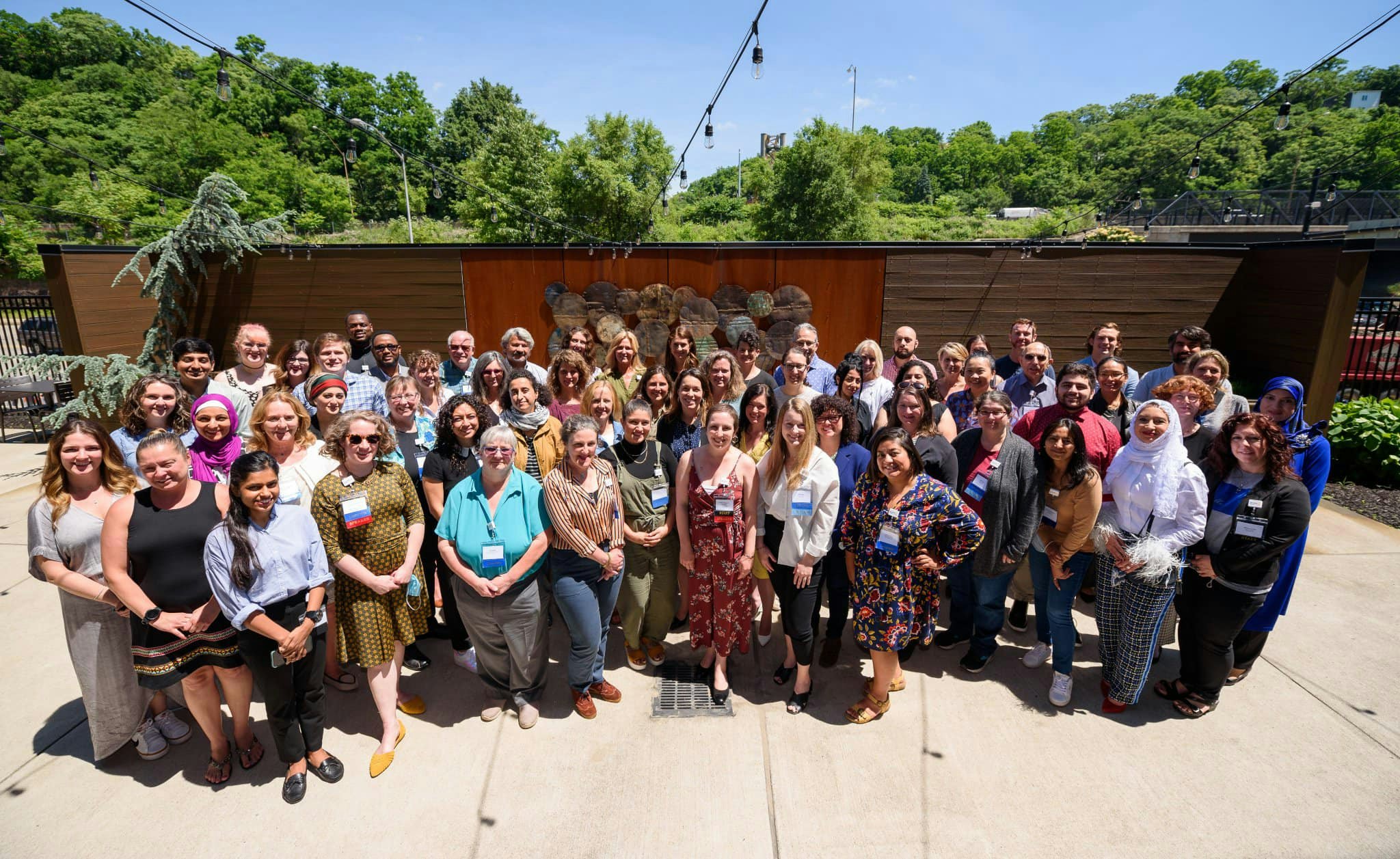
Led by the George W. Bush Institute, the U.S.-Afghan Women’s Coalition works to advance policies, encourage solidarity and action, and lift the perspectives and experiences of Afghan women, children, and other vulnerable populations.
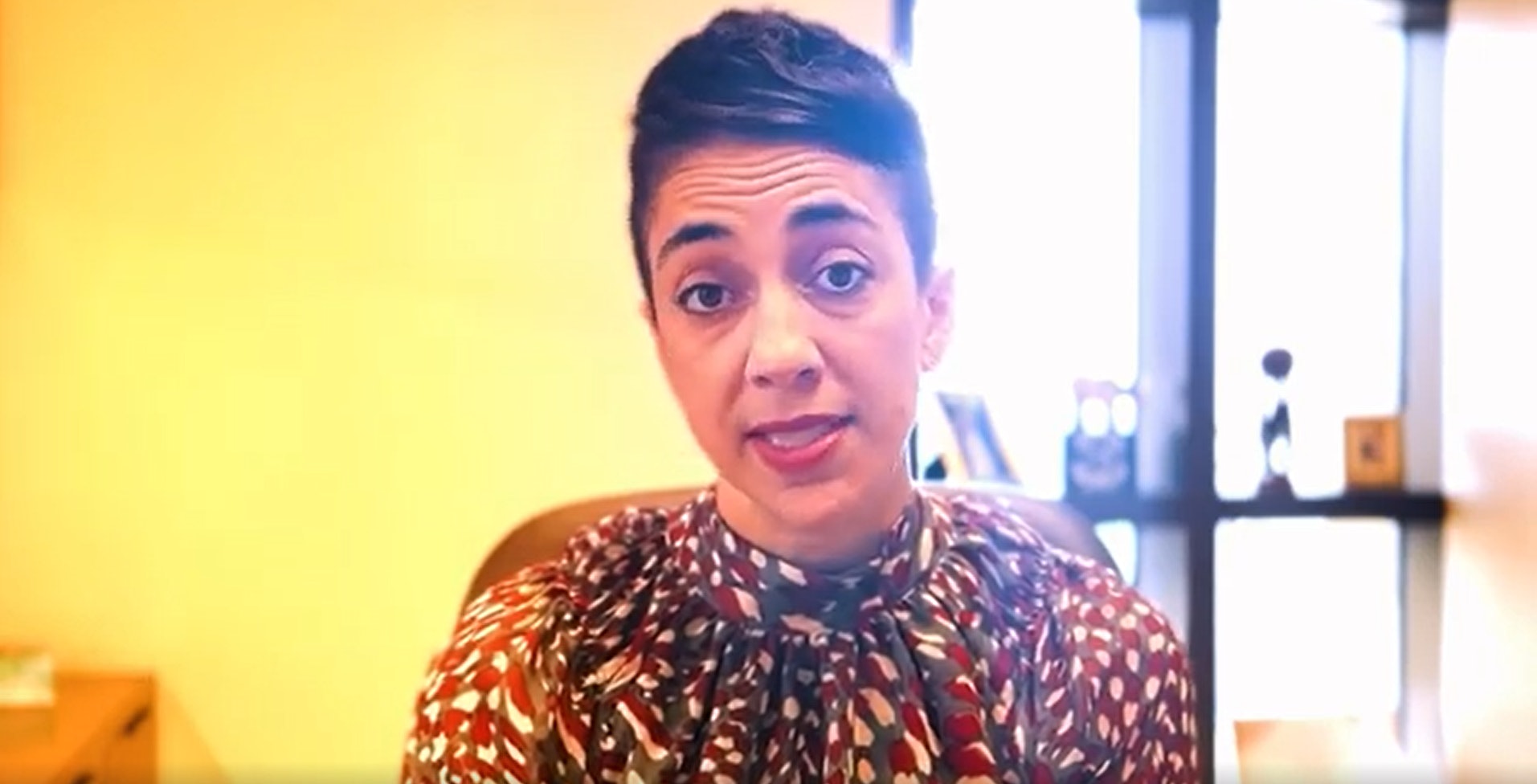
Palwasha Hassan serves as the Executive Director of Mina’s List and is a founding member of the Afghan Women’s Network. A dedicated advocate on peace and women’s rights, Palwasha is a current member of the U.S.-Afghan Women’s Coalition.
Click here for more information on the USAWC.
The headlines about Afghanistan have largely faded. What do you wish people, especially Americans, understood about what life is actually like today?
Life in Afghanistan today is divided into two realities: the Taliban and everyone else. Women, in particular, are treated as second-class citizens, and the systematic rollback of their rights has become increasingly normalized and overlooked. Despite the Taliban’s uncompromising position, much of the international community appears to have accepted – or at least become desensitized to – the reality of gender apartheid.
This is especially painful given that, for nearly two decades, the world’s major powers invested not only in security but also in advancing the rights, education, and participation of Afghan women and men. Many of these same countries have strong commitments to the Women, Peace, and Security agenda, [a United Nations initiative that acknowledges the distinct ways conflicts harm women and girls and urges their meaningful participation in peace processes]. Yet, today, girls’ secondary and higher education remains banned in Afghanistan. Women’s employment is severely restricted. Even roles at women-led organizations and nonprofits, where a major part of my experience comes from, are severely limited in scope. Women are often forced to operate through a male “kafeel” (guardian or representative) to engage with authorities.
Despite these restrictions, Afghan women continue to demonstrate remarkable resilience. They are finding ways to educate, organize, and support their communities within an increasingly narrow civic space. However, they are doing so with very restricted resources and shrinking international support and are under constant pressure and surveillance. The psychological toll is immense. Many women feel exhausted and uncertain about the future, yet they continue to resist, adapt, and hold on to hope that change is still possible.
How has your own lived experience shaped your point of view on the importance of women as agents of positive change?
Working with Afghan women for more than 30 years has convinced me that real change does not happen overnight. It grows through trust, persistence, and the courage of ordinary people. I have had the privilege of witnessing changes that many once thought were impossible.
When I first started my work, many communities believed that educating girls was against tradition. Years later, I saw those same communities asking for schools because they wanted a better future for their daughters. I have seen similar changes in attitudes toward women in leadership. Men who once opposed women voting or running for office later encouraged them to participate because they recognized the value women brought to their families, communities, and the country.
These changes did not come from outside. They came from Afghan women themselves – teachers, activists, mothers, and community leaders – who patiently built trust and showed, through their actions, that women strengthen communities.
That is why I remain hopeful, even in today’s difficult circumstances. The women still inside Afghanistan continue to find ways to teach, organize, support one another, and serve their communities despite enormous restrictions. They understand the local context better than anyone else and know how to create change in ways that are meaningful and sustainable.
My experience has taught me that if we truly want to support Afghanistan’s future, we must listen to these women and invest in their leadership. They are not waiting to be saved – they are already leading. What they need is the opportunity, solidarity, and resources to continue the work they have never stopped doing.
How can the international community continue supporting Afghan civil society without legitimizing Taliban policies?
The international community needs to pursue a two-track approach. First, it should maintain consistent diplomatic pressure on the Taliban by ensuring that any engagement is tied to measurable progress on human rights, especially the rights of women and girls. The voices of Afghan women and the diaspora should be central to these discussions as they continue to advocate for accountability and meaningful change.
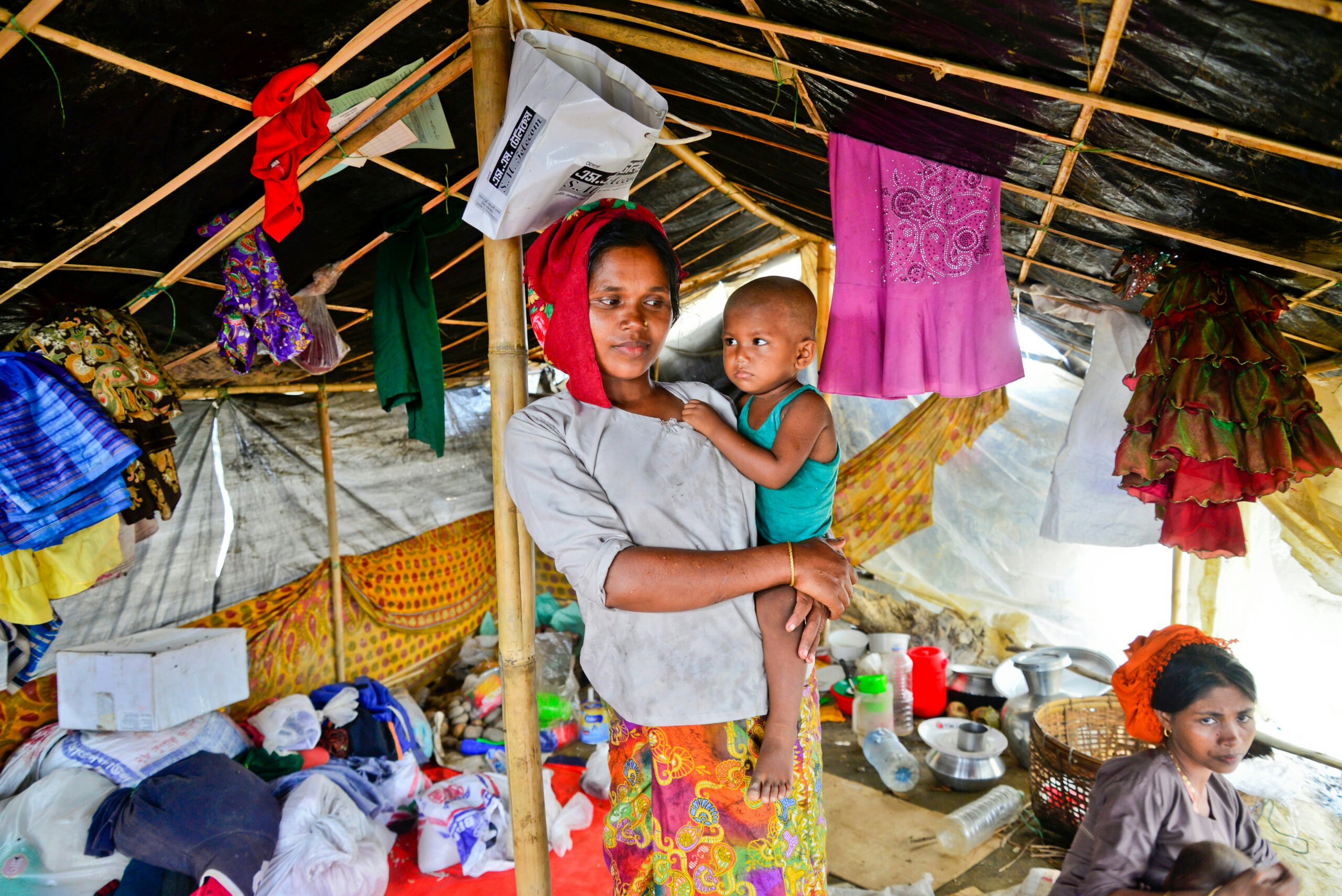
Second, the international community must continue to support the Afghan people without strengthening the Taliban’s control. Afghanistan is facing a deep humanitarian crisis, with widespread hunger, poverty, and malnutrition. Humanitarian assistance should continue, but it should reach communities through trusted, independent, and women-led organizations wherever possible.
It is equally important to sustain support for Afghan civil society. Many women-led organizations continue to provide education, humanitarian assistance, psychosocial support, and protection services under extremely difficult circumstances. These organizations are preserving community resilience and keeping hope alive, yet many are struggling to survive as funding declines.
Supporting Afghan civil society is not the same as legitimizing the Taliban. On the contrary, it is an investment in the people of Afghanistan and in the values of human rights, dignity, and inclusion. If the international community wants to see a more peaceful and stable Afghanistan in the future, it must continue standing with the women and civil society leaders who are working every day to protect their communities despite immense challenges.
Why is women’s participation essential to lasting peace rather than simply a matter of representation?
Women’s participation is not just about giving women a seat at the table. It is about the kind of society we want to build. When women are included in decision-making, it signals a commitment to inclusion, accountability, and respect for human rights. When they are excluded, it often reflects a society moving toward greater authoritarianism and extremism.
In Afghanistan, we have learned that peace with the Taliban did not mean peace in the country especially for women. Women activists have long warned that peace cannot simply mean ending fighting or reaching an agreement with those in power. If half of the population is excluded, that is not a sustainable peace. Women understand the everyday realities of their communities. They know what families need to survive and thrive – education for children, healthcare, livelihoods, justice, and opportunities for young people. These are the building blocks of lasting peace.
We also have to recognize that women often carry the greatest burden during conflict, Afghan women, contrary to tradition, carried the burden of household feeding, many without having previous experience or skill to do, a country of 2 million widows by some estimates. Women keep families together, educate children under the hardest circumstances, and women’s organizations are the ones that came together to address and support neighbors and help communities recover. Their experiences and solutions are essential to rebuilding trust and preventing future conflict.
The consequences of excluding women extend beyond Afghanistan. Extremism does not stop at national borders, and societies that suppress the rights of women are often less stable and more vulnerable to violence. We can already see how instability in Afghanistan affects the wider region.
For me, women’s participation is not a symbolic issue – it is a practical one. If we want a peaceful, stable Afghanistan that can contribute positively to the region and the world, women must be equal partners in shaping its future. Peace built without women is unlikely to endure because it ignores the voices, needs, and potential of half the population.Women’s participation is not only about women; it’s about the community’s direction, attitude towards progress, and moving away from radicalism and totalitarianism. Making peace with the Taliban can only encourage isolation and radical groups. When women are safe, included in society, and protected, it creates a safer place for everyone. Women need to be involved in the country’s future. That can only happen if women are part of the peace and security agenda.
What is your message to policymakers and other influencers amid all that is happening in Afghanistan today?
My message to policymakers is simple: Please do not abandon Afghanistan. The country is not only living under one of the world’s most restrictive authoritarian regimes, but it is also facing an unprecedented humanitarian crisis. This is a difficult moment that requires a careful and principled approach. Engagement with the Taliban, where necessary, should always be guided by respect for human rights and tied to measurable progress, particularly the rights of women and girls. At the same time, the international community must continue supporting the Afghan people, who should not be left to bear the consequences of decisions beyond their control.
Afghanistan cannot move toward lasting peace, stability, and prosperity when half of its population is excluded. A secure Afghanistan is one where women can learn, work, lead, and participate equally in shaping their country’s future. Supporting Afghan women and civil society is therefore not only a moral responsibility – it is a strategic investment in long-term peace, stability, and regional security.
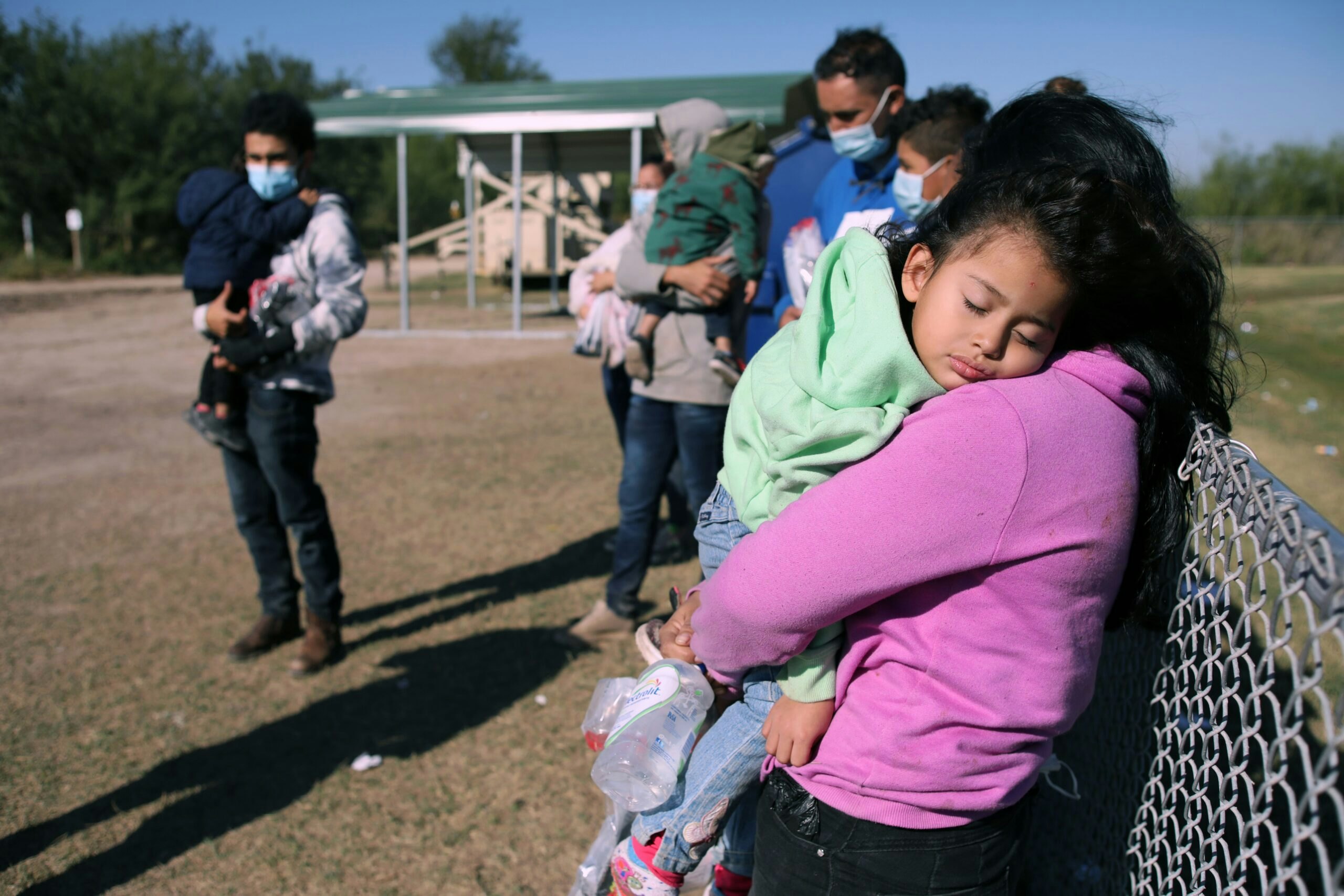
The world also has a stake in Afghanistan’s future. A peaceful and inclusive Afghanistan will help reduce forced displacement, strengthen regional and global security, and counter the spread of extremism. If Afghanistan is abandoned, the humanitarian crisis will deepen, authoritarianism will become more entrenched, and instability will continue to affect the region and beyond. Standing with the Afghan people today is not simply an act of solidarity; it is an investment in a more secure and peaceful future for everyone.
The USAWC serves as a platform for connection and collaboration. As a member, what do you see as the greatest strength of this coalition?
One of the coalition’s greatest strengths is that it brings together Afghan and American women around a shared commitment to human rights, peace, and women’s leadership. At a time when Afghanistan is no longer a priority for many policymakers and much of the world’s attention has shifted elsewhere, this partnership reminds Afghan women that they are not alone.
For many Afghan women, especially those still working inside the country or in exile, solidarity matters. Knowing that there are people who continue to listen, advocate, and stand with them provides hope and helps sustain their work during an incredibly difficult time.
What gives you hope?
What gives me hope is the resilience of Afghan women and the strength of Afghan communities. We have lived through more than four decades of war, political upheaval, and repeated humanitarian crises. Too often, international attention has focused on military or political objectives, while ordinary Afghans have carried the burden of conflict.
Throughout every period of hardship, Afghan women have found ways to adapt, lead, and protect their families and communities. They have kept education alive, supported one another, and continued serving their communities even when their own rights were under attack.
History has taught me that Afghan women are incredibly resilient. Every time they have been pushed back, they have found a way to rise again. Today’s challenges are among the hardest they have ever faced, but I do not believe this is the end of their story.
As long as that resilience exists, there is hope for Afghanistan. Our responsibility is to stand with these women so that, when the opportunity for change comes, they have the support they need to build a more peaceful, just, and inclusive future.