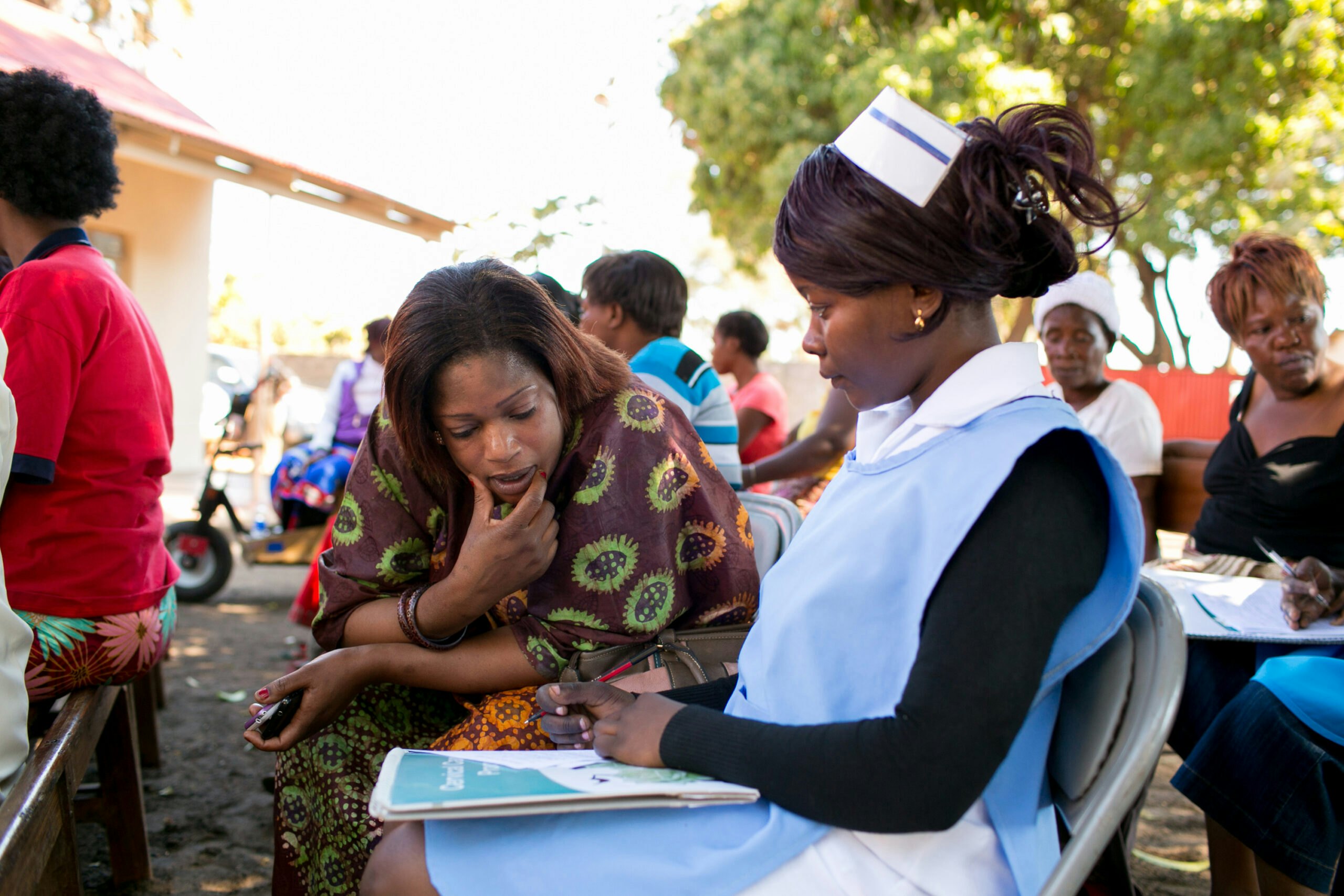
The world has 1.9 billion reasons for optimism – the 1.9 billion young people globally between the ages of 10 and 24 – and the countries and regions which harness this enormous talent pool are the ones that will succeed in the coming decades.
The most significant demographic reality of our time is actually a stunning opportunity: The largest generation of young people ever are positioned to shape our future. And they are more educated, more connected, and more engaged than any generation in history.
World Population Day on July 11 is typically marked most years with dire headlines, warnings, and a good measure of handwringing that focuses on numbers. Academics and think tanks detail demographics that highlight aging societies and declining birth rates for some countries, contrasting with irregular migration, including regional surges of refugees and the internally displaced, and ballooning population growth for other, more fragile governments and economies.
And while these are important discussions, let’s set aside the histrionics this World Population Day and realize that this generation of young people is a gift – a demographic dividend – that will springboard off the investments we make today. This generation is made up of the individuals who will shape democracy, economic growth, technological innovation, government, and civic leadership for decades to come.
We have models that work to support this generation of young people grow into their potential.
For example, Estonia has made youth empowerment one of its highest national priorities by meshing the country’s advanced digital innovation with real opportunities for civic engagement. Estonia’s Youth Field Development Plan, launched in 2021, supports and empowers young people through the creation of youth councils, focused community-based organizations, entrepreneurship and skill-based education – all designed to ensure young people have an active (and heard) voice in local and national decision-making.
The investment has paid off: Estonia is recognized globally for its digitally skilled, civically engaged young people who are hands on in shaping one of Europe’s most innovative economies.
In Botswana, the country’s national service program, Tirelo Sechaba, matches young people with government, private sector and community-based organizations to not only help develop skills and engage in civic life, but also to leverage these talents to contribute to Botswana’s economic and political growth.
Nongovernmental organizations such as Mebala Youth Studios and Youth Impact contribute to the government’s investments by providing entrepreneurship support, health access, and information that reaches thousands of youth. Together, these partnerships and others like them, including faith-based communities, have helped Botswana build and launch a youth population that is more skilled, entrepreneurial and civically engaged, contributing to the country’s overall economic resilience and stability.
In Asia, institutions like the Asian University for Women are leveraging the transformative power of education and engagement to empower the next generation of leaders from across the region. With a deep commitment to supporting students impacted by poverty and instability, more than half of those enrolled come from underprivileged and/or conflict-affected backgrounds.
We can do more – both as individual nations, and as a global community. Around the world, young people remain underrepresented in elected offices, with many governing bodies significantly older than the average population. While youth-led movements have shaped conversations on climate, democracy, and anti-corruption, political parties can build and maintain meaningful pathways for younger generations to participate in decision-making.
The same principle applies to public service. Whether in diplomacy, development, or defense, governments and international organizations can formalize paths to both recruit and retain talented young professionals with fresh ideas, digital native fluency, subject matter expertise, and, frankly, just different perspectives to our increasingly complex geopolitical challenges.
Today, in communities around the world, urban and rural, in rich and developing nations, young leaders are building organizations, launching businesses, organizing communities, and responding to humanitarian crises. They are the front line in embracing new technology and new tools and forging partnerships to connect with communities in ways traditional institutions simply haven’t.
This energy is one of democracy’s greatest renewable resources, and, here in the United States, we’ve not only recognized it, but invested in it to advance our own national security priorities.
U.S. State Department programs such as the Fulbright Program, Young Southeast Asian Leaders Initiative (YSEALI) and the Young African Leaders Initiative (YALI) have connected thousands of emerging leaders through civic engagement and professional exchanges and have linked them to American innovation, partners and opportunity.
Similarly, the International Visitor Leadership Program (IVLP) is one of the United States’ most effective foreign policy investments, bringing emerging leaders to the United States to build lasting professional relationships with Americans and deepen their understanding of U.S. institutions and values. Since 1940, over 500 IVLP alumni have gone on to become heads of state or government, giving the United States an unparalleled return on investment that extends far beyond a three-week program: participants who have firsthand experience with the United States.
These programs represent one of America’s smartest foreign policy investments because they focus on people and relationships that endure long after individual administrations or policy debates have changed.
From Estonia to Botswana to here at home, the challenges that will define the coming decades will require leaders who are comfortable working across borders, technology, and cultures. Developing those leaders cannot begin after they enter senior positions. It begins by opening doors early.
World Population Day reminds us that demographics are not destiny. People are. And the choices and investments we make now shape the future we want.
If we choose to invest in young people – here at home and through programs around the world – we are not only preparing them for responsibility but also strengthening the institutions, alliances, and principles that shape the world we want to live in.
The world’s largest generation of young people is ready to lead. On this World Population Day, let’s live up to our responsibility to ensure they are ready to take on that role.