
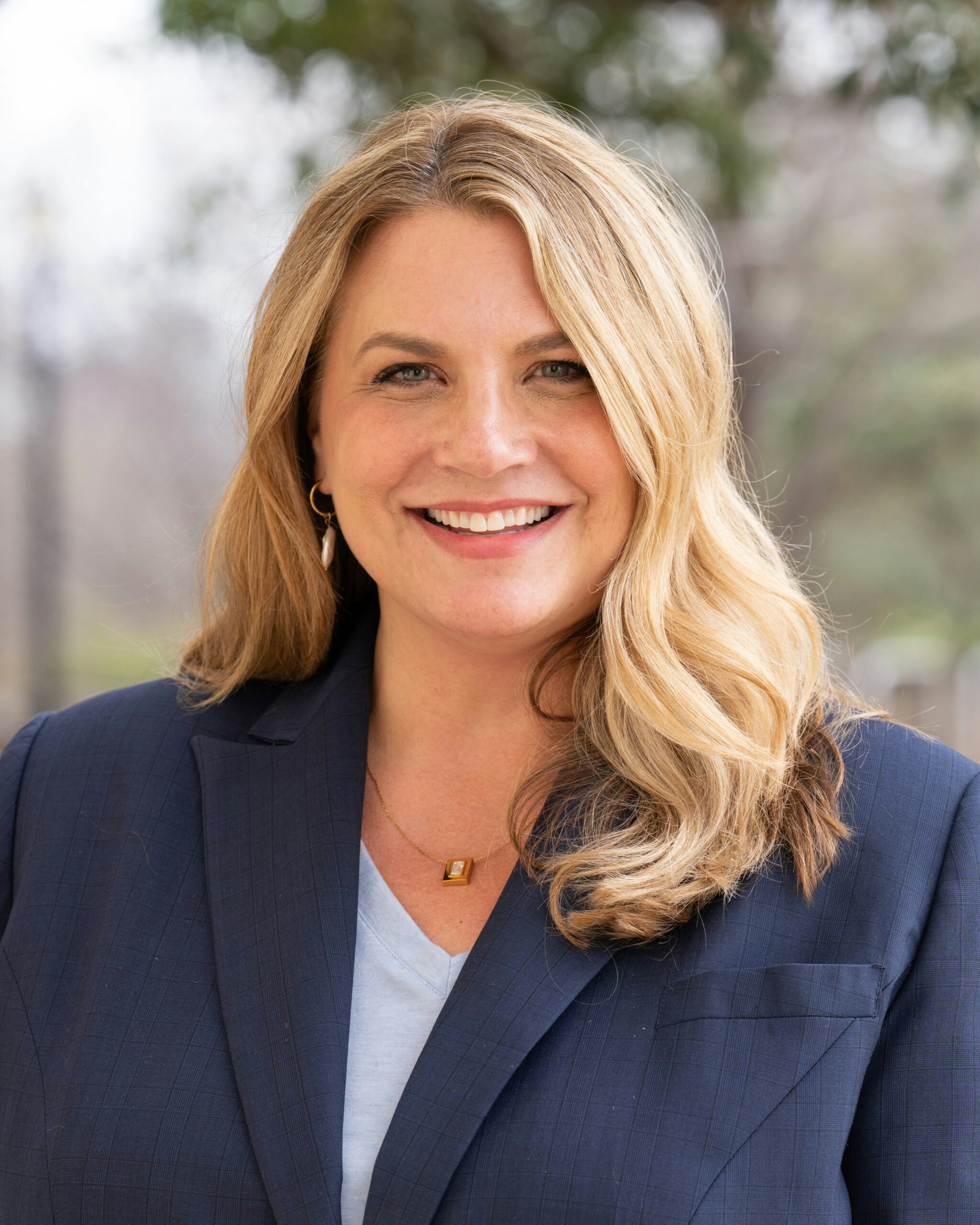


Stanford University men’s basketball coach Eric Reveno has a side hustle as a champion of democracy and civic engagement.
While at Georgia Tech in 2020, Reveno – now the associate head coach and general manager of Stanford men’s basketball – tweeted that all U.S. student athletes should get Election Day off from playing so they have time to vote. His idea went viral, and the NCAA soon turned it into a policy called All Vote, No Play that gives student athletes time to vote and civically engage.
There are more than 550,000 college athletes in this country, a remarkably diverse group of young people who are prepared to lead thanks to their years spent training and competing. Ten former U.S. Presidents were college athletes. Student athletes are more likely to earn an advanced degree than nonathletes, according to a 2020 Gallup report, and they’re much more likely to have held a leadership role on campus.
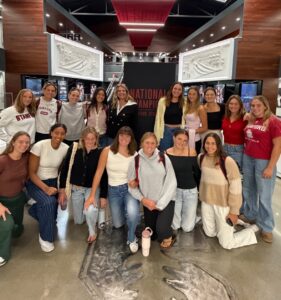
That’s why I was so delighted to be invited to speak during the “All Vote, No Play” session at Stanford’s recent Democracy Day celebration. I am a former Stanford student athlete, and my time on campus changed my life in ways that are impossible to sum up. It expanded how I see the world and my place in it, and I learned what it takes to build winning teams.
The student athletes I met that day blew me away with their thoughtful and insightful questions. Don’t believe the headlines – young people are not apathetic and cynical. They are focused and engaged as they navigate a rapidly changing political and economic landscape. I was thrilled to meet some of the student volunteers who engineered and executed all of Stanford’s Democracy Day programming (and I appreciated the free T-shirts and burritos that all good campus events include).
My advice to them was simple – and it is advice I try to give myself regularly too:
- Be prepolitical. I shamelessly stole this idea from the George W. Bush Center’s CEO, Shilo Brooks, who is also a college professor. His advice to students is to use their time on campus not to solidify the political positions they may bring with them to campus, but to seek truth over comfort by exposing themselves to a range of ideas and expertise, including those that make them uncomfortable. Our brains need to work out as much as our bodies.
- Become an “e pluribus unum” leader, a Latin phrase that means “out of many, one.” Our pluralistic nation is made up of an enormous range of people of all backgrounds, beliefs, and experiences. And while that inevitably creates moments of friction and tension, it also creates better decision-making. Leaders who consider diverse perspectives on complex issues better manage risk and identify unintended consequences. Pluralistic leadership does not mean finding consensus – it means deeply understanding the stakes so a leader can better make tough calls.
- Be for something. The best leaders – whether they are U.S. presidents or Little League coaches or mayors – are for something. They create a vision, invite people to get behind it, and work together to build and achieve something meaningful. Being against something might get you views and likes, but it won’t build anything of substance and meaning. Bring people along with you.
- Get involved. Most of us encounter our democracy locally. While what happens in Washington, D.C., can sometimes feel distant and obtuse, we can each help improve our communities by doing things like engaging in local government, serving on a church council, or showing up to school board meetings. The French diplomat and historian Alexis de Tocqueville was struck by how Americans engaged in their communities to support causes and each other when he visited America in 1831 to observe our nascent democracy in action. That distinctly American spirit still thrives today, but it’s up to us to show up and serve, wherever we are able.
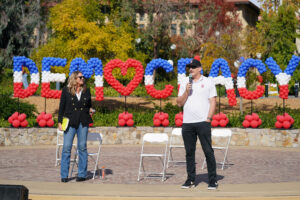
At the George W. Bush Institute, we believe that our republic needs stewardship and prudence from today’s leaders and the energy and vision of tomorrow’s leaders, too.
Join people like Reveno and his All Vote, No Play co-founder, Lisa Kay Solomon, futurist and designer in residence at the Stanford d.school, who saw the power in a national movement of college athletes as civic leaders.
I am not sure who got more out of my visit back to campus – me or the student athletes. I was buoyed by the young leaders that I met on campus. If you have the opportunity to hire or work with a student-athlete, pounce.


